Menu
Let's talk


There is a single number that should dictate how B2B marketers think about creativity. Research by Les Binet and Peter Field found that creative fame strategies deliver 12 times higher profits than campaigns built on rational claims.
12 times. Not a marginal difference, but in fact a multiplier large enough to reframe creativity into one of the most commercial decisions a marketing team can make.
The instinct in B2B has always been to explain. That’s where whitepapers, feature comparison grids and spec sheets come from. And when we’re talking to giant buying committees it can be very tempting to believe we can make all the people in these giant, amorphous groups think the rational things we want them to think, just by saying lots of rational things.
The logic feels right because every other B2B brand seems so sensible and rational. The problem, of course, is that real people don’t think like corporate blobs. They think like people. And all those providers spouting sense and rationality create a cumulative grey noise that works against their ability to sell to real people, win their attention and be remembered.
This is where the real risk lies. Not with weird and interesting things that no one else is doing. But with grey noise the chief executive likes but no buyer can remember five minutes later.
Buyers shortlist brands that leave a trace. Something that triggers emotion. Something that interrupts their concentration, precisely because it exists outside the ordinary. A something that seems weird, or unusual. Or simply, not grey.
Fame, delivered through creativity, means shining a full-colour spotlight on your brand and refusing to turn it off.
This matters more in B2B. Buying cycles are long, and full of different people, each arguing from their own perspectives. The brands that survive to get selected are the ones that bring this differing group of people together – and hold their attention.
WARC's Creative Commitment study found that campaigns with greater creative ambition are up to five times more likely to deliver strong business results. The IPA Databank consistently shows that creatively awarded campaigns outperform their peers in market share growth, profit and customer lifetime value.
The argument for restraint has always rested on the assumption that professional buyers are somehow different to other people. This is the same argument suggesting that because the stakes are higher, the emotional register must be lower. The evidence, from effectiveness data, does not support this. Provocation is in fact the way to play.
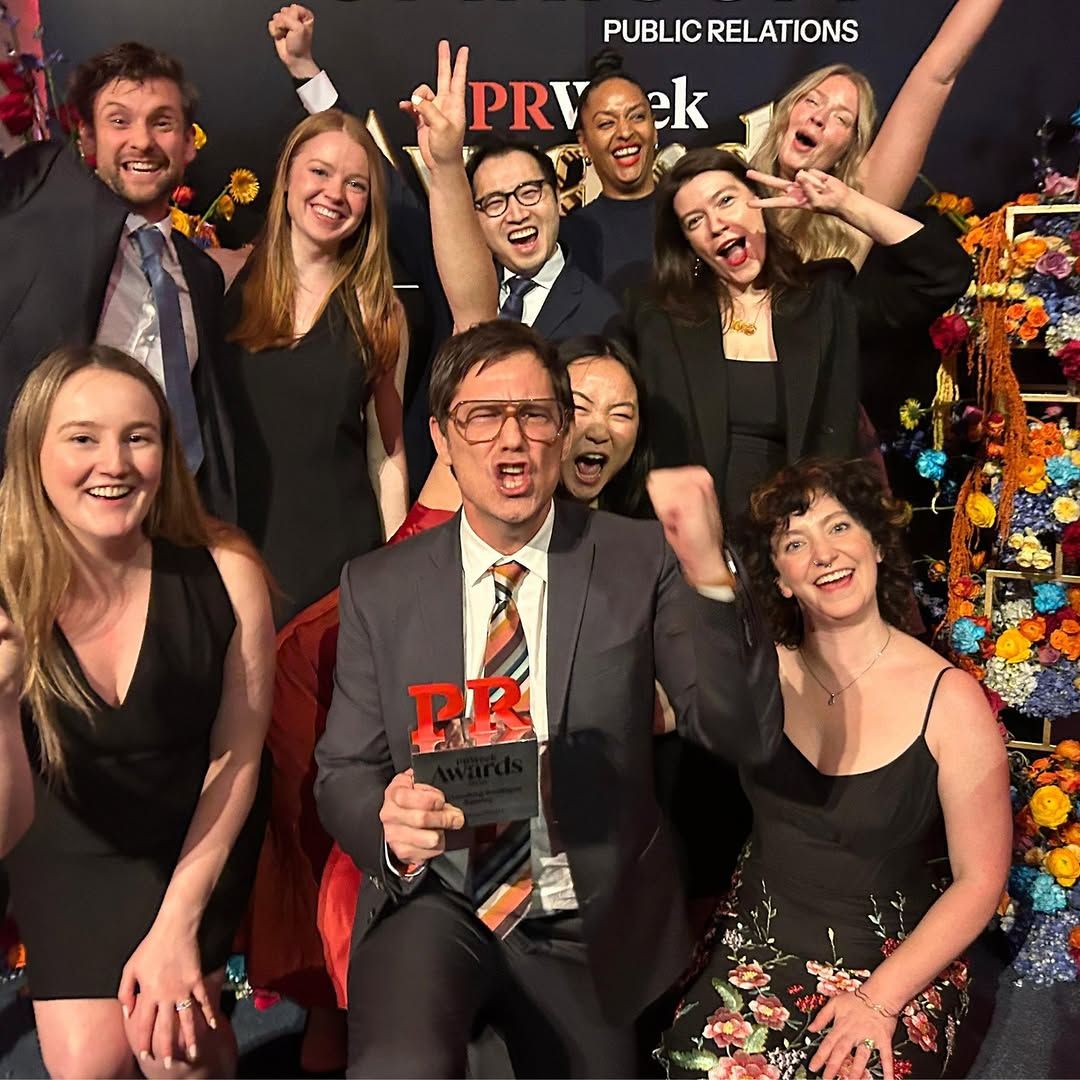
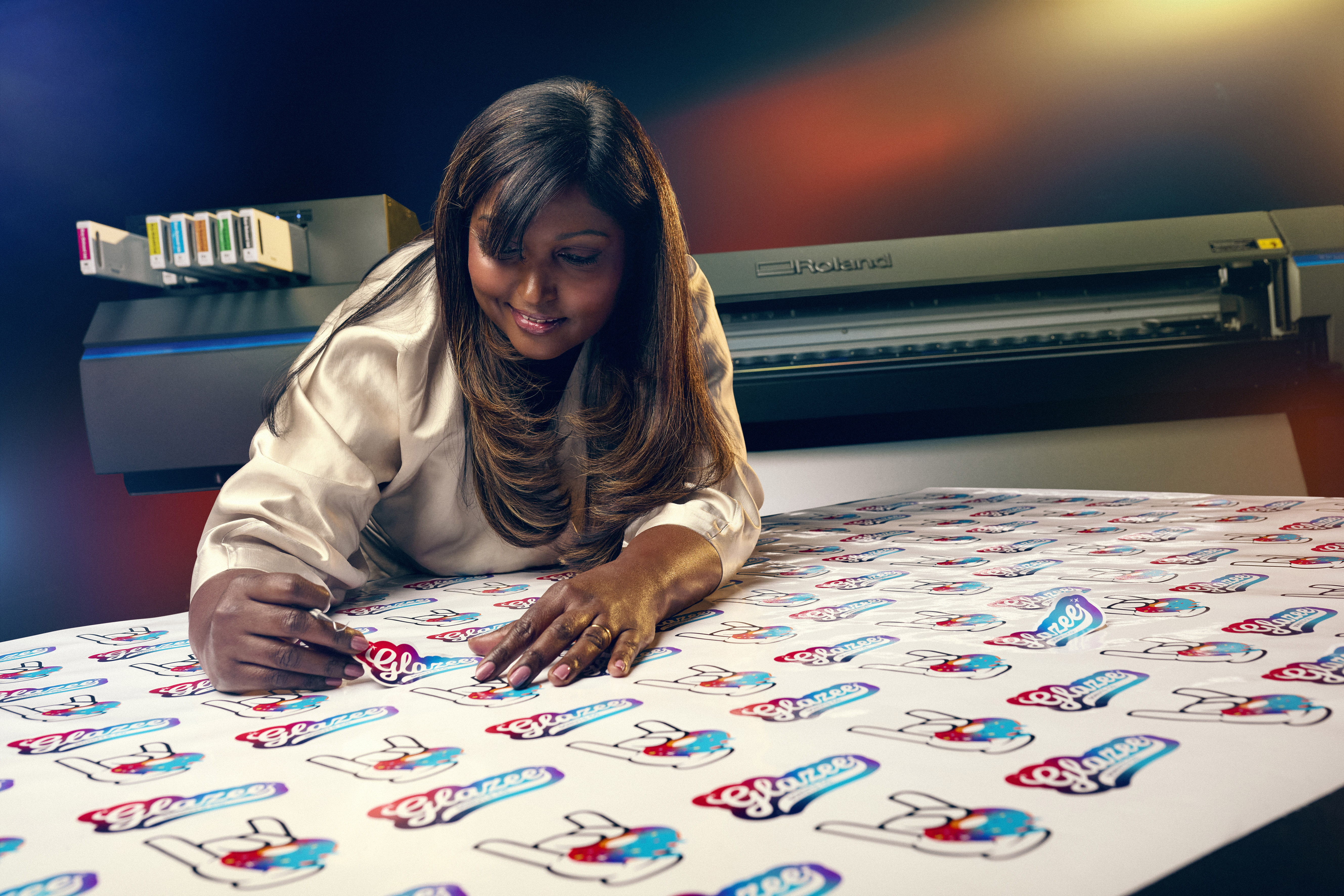
Fight or Flight's 50 Shades of Ginger campaign for Roland DG, which took the Drum B2B Grand Prix and won the Marketing Society’s best B2B campaign, demonstrated exactly this: genuine provocation in a category that does not do provocation. The campaign certainly made Roland more famous. It also cost under £100k and delivered £4m of sales.
The best B2B campaigns dare to stand out. They demonstrate that fame is not a vanity metric but a commercial strategy. Those brands willing to be genuinely interesting accumulate a structural advantage that compounds over time. And while many B2B brands continue to resist creativity, the outsized advantage from taking a contrarian position remains.